Beach, Rhythm, and Vibes Galore
Get to Know Miami
Miami conjures images of sun-soaked beaches and lively nightlife, but beyond the iconic coastline lies a hidden world of lush parks and gardens. Amidst the city’s vibrant energy, discover green spaces where palm trees sway and peaceful trails offer a serene escape. In Miami, the urban jungle seamlessly blends with rich ecosystems, providing a refreshing haven for both locals and visitors.
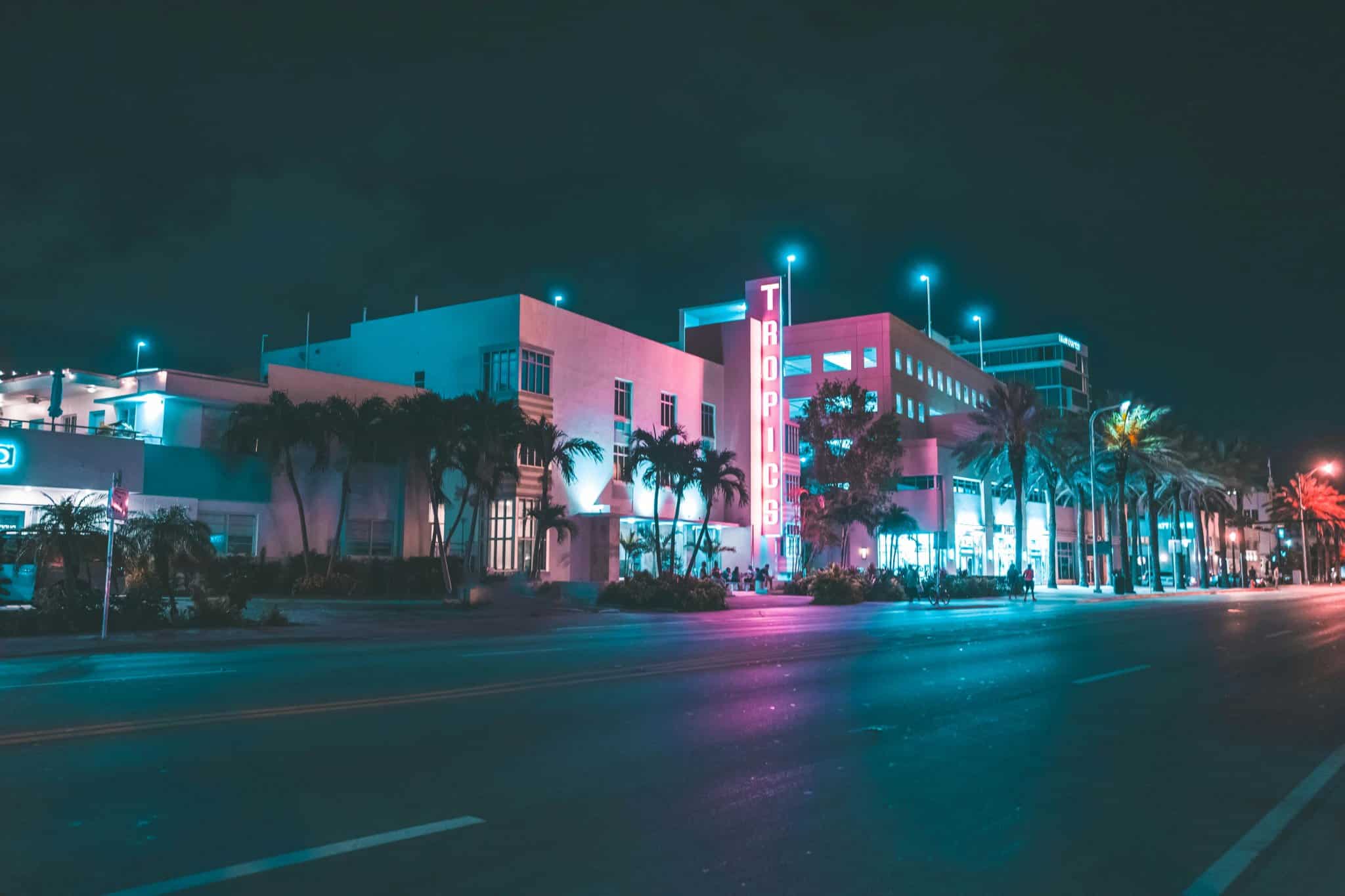
As the sun sets, Miami transforms into a playground for the stylishly dressed. The city’s renowned nightlife comes alive, and while flip flops rule the beaches, no one dares don them when the neon lights and pulsating rhythms take over the night.
Miami’s Highlights
The Vizcaya Museum and Gardens
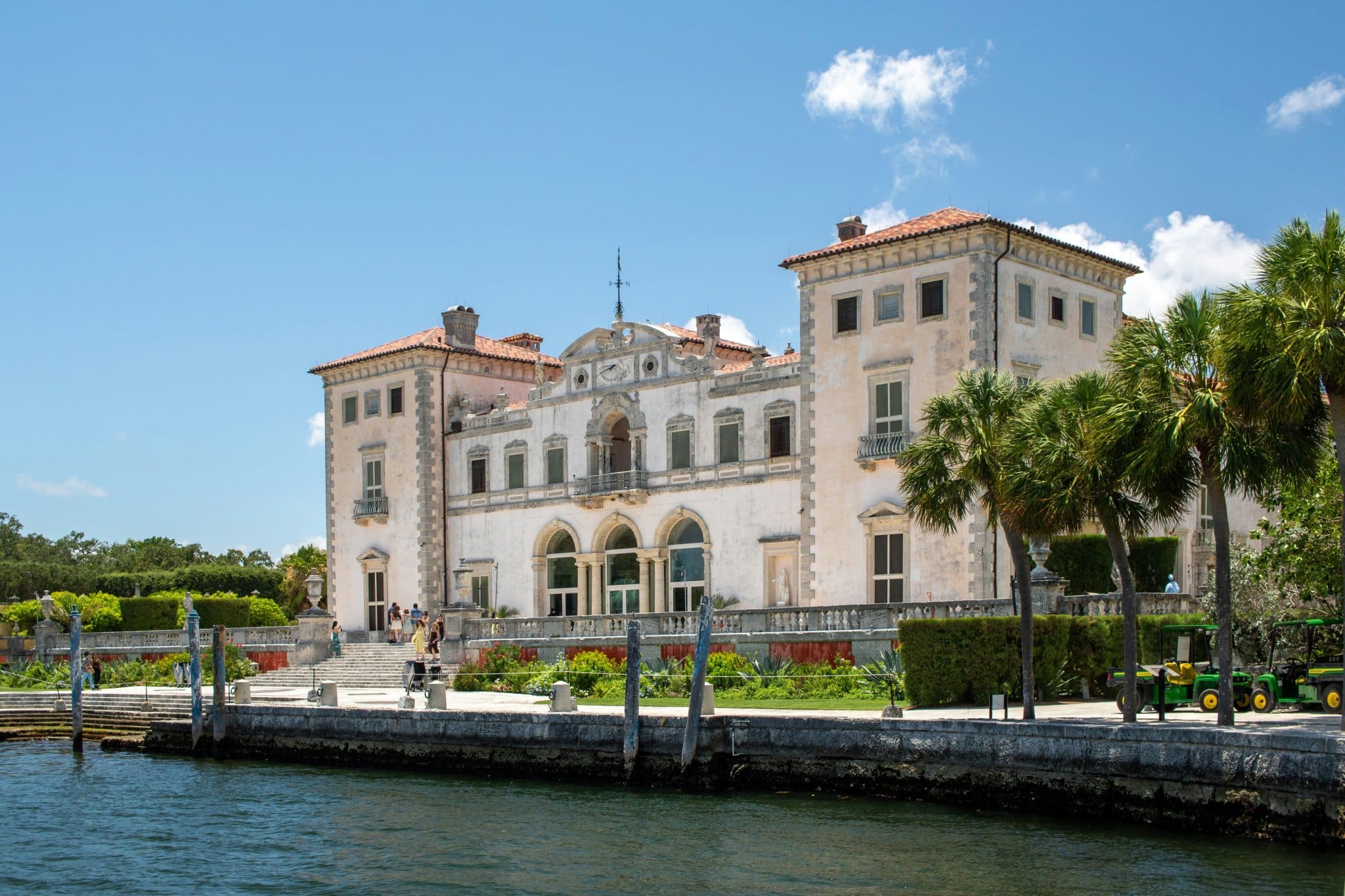
Step back in time at the Vizcaya Museum and Gardens, a stunning estate designed like an Italian villa. The mansion is filled with art and antiques, while the gardens provide a peaceful retreat.
Everglades National Park
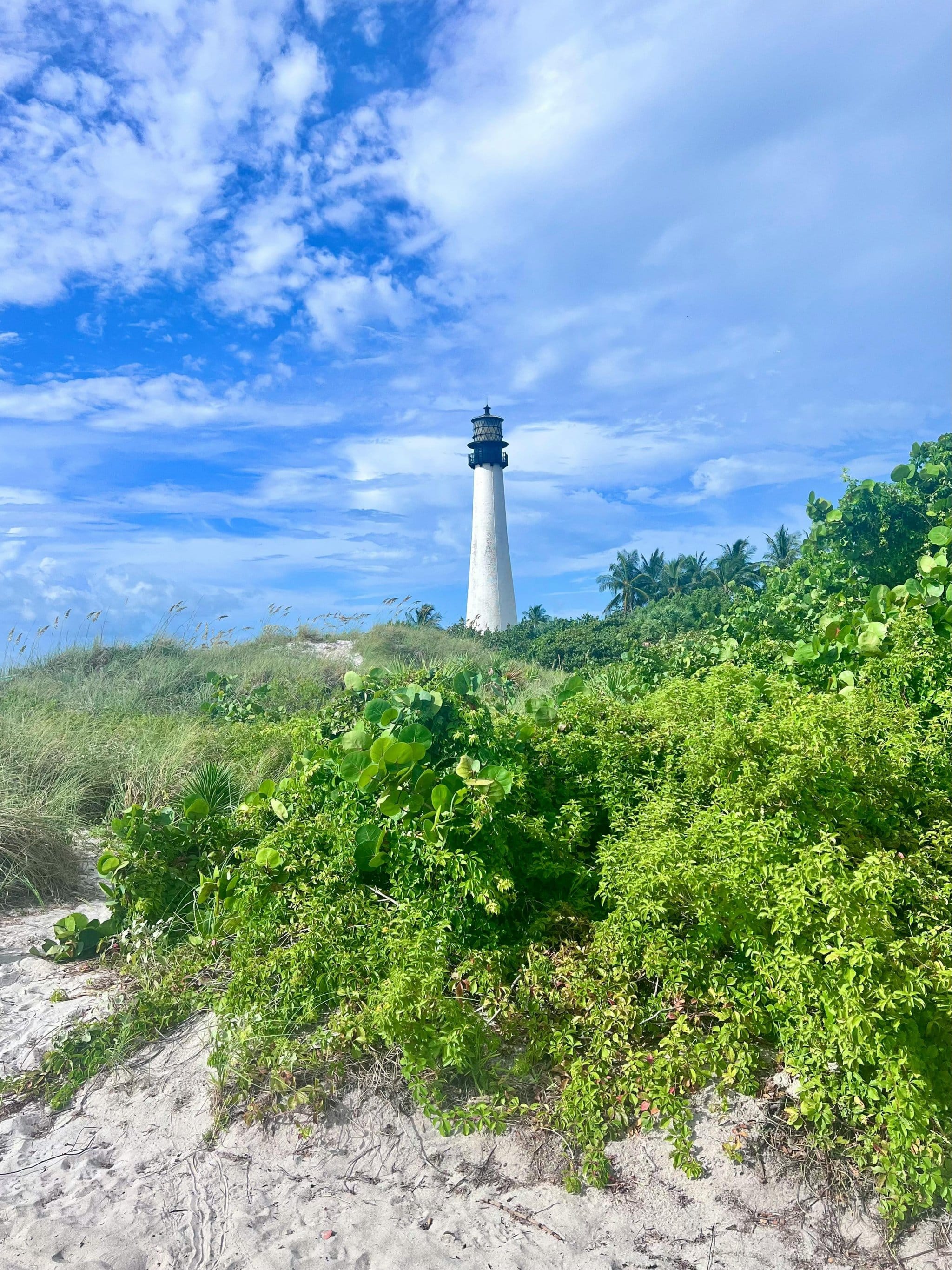
Spanning 1.5 million acres, Everglades National Park is the largest subtropical wilderness in the U.S. and a haven for nature lovers. Declared a UNESCO World Heritage site and home to endangered species, the Everglades is perfect for exploring via nature trails, biking, or fishing.
Brickell’s Skyline
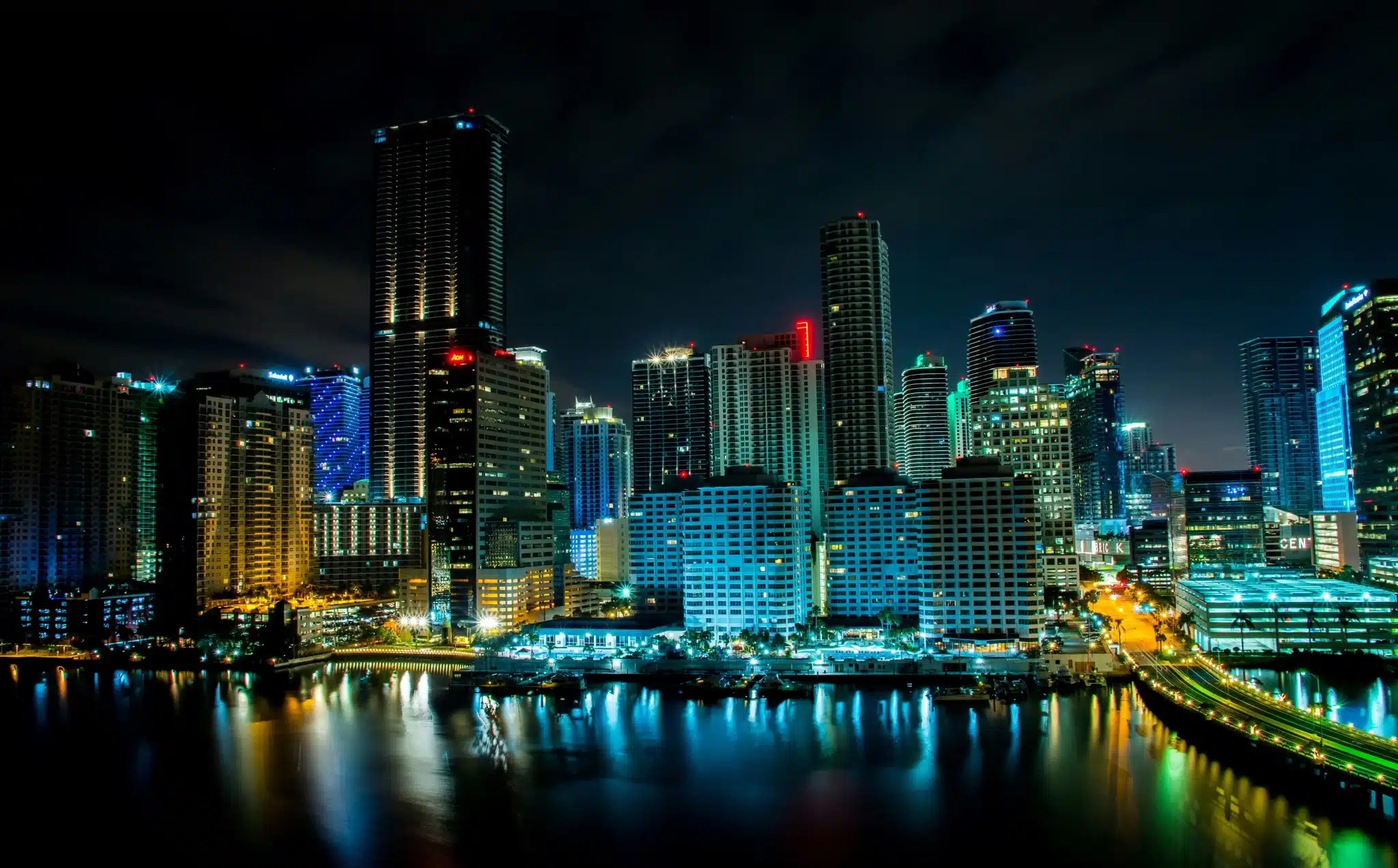
The sleek, towering high-rises of Brickell offer some of the best panoramic views of the city. For the best vantage points, head to rooftop bars like Area31 at EPIC Miami or the Sugar rooftop at EAST Miami. For a truly postcard-perfect experience, visit the Mandarin Oriental for stunning 360-degree views of the city and Biscayne Bay.
South Pointe Park Pier
South Pointe Park Pier feels like a movie scene with its lush green spaces and contemporary art sculptures, like the whimsical “Obstinate Lighthouse.” It’s one of Miami’s most photogenic spots, perfect for relaxing or snapping some Insta-worthy shots.
The Best Things to Do in Miami
🏖️ Enjoy the Beaches
No trip to Miami is complete without visiting its world-famous beaches. South Beach, in particular, offers pristine white sand, clear blue water, and the perfect backdrop for people-watching.
🏛️ Admire Art Deco Architecture
Take a walk through the Art Deco District to admire the colorful, historic buildings from the 1920s and 1930s. It’s a great spot for photos and offers a glimpse into Miami’s rich architectural history.
🌳 Explore the Everglades
Take an airboat tour through the Everglades to see alligators and other wildlife in their natural habitat. This adventure offers a glimpse into one of the most unique ecosystems in the world.
Getting to Miami and Getting Around
Most flights land at Miami International Airport (MIA), about seven miles from downtown. The free MIA Mover people mover connects the terminals to the Miami Intermodal Center, where Metrorail, Tri-Rail, Metrobus and rental cars meet. Metrorail connects that station to Brickell, downtown, Coconut Grove and Vizcaya.
Fort Lauderdale-Hollywood International (FLL) is roughly 30 miles north. Tri-Rail takes about 45 minutes from its Fort Lauderdale Airport station to MIA, and a shuttle links the terminals to the station. Brightline trains run between downtown Fort Lauderdale and MiamiCentral in under an hour, and its airport connector shuttles cover the gap to FLL.
In town, pay for Metrorail with contactless payment, an EASY Card or a paper EASY Ticket. Metromover, an elevated people mover through downtown and Brickell, is free, as is the Miami Beach trolley. Check Miami-Dade Transit for current routes and schedules.
You can skip the rental car in South Beach, Brickell or downtown, but you’ll want one for the Everglades, since no public transit serves the park.
When to Go
Miami’s dry season, roughly December to mid-May, brings mild temperatures and lower humidity. It’s the most comfortable window for beaches and the Everglades, and also when hotels fill fastest, especially during big art, music and sporting events.
From mid-May through November it’s hot and humid, with frequent thunderstorms. Hurricane season officially runs June 1 to November 30, with most activity from mid-August to mid-October. Late spring, once spring-break crowds thin, is a good shoulder window. If you travel in summer or fall, keep plans flexible.
Where to Stay
- South Beach: beaches, Art Deco and nightlife. Best for first-timers.
- Brickell and Downtown: high-rises and the easiest Metrorail, Metromover and Brightline access. Best for car-free trips.
- Wynwood: murals, galleries and breweries. Best for art and food lovers.
- Coconut Grove: bayfront parks and marinas near Vizcaya. Best for a quieter stay.
Our Skiplagged Hotels guide shows how to compare stays.
What to Eat and Drink
Start with a cafecito, a small, strong, sweet Cuban espresso, served at a ventanita (walk-up window) in Little Havana. Pair it with croquetas, a Cuban sandwich or pastelitos, and save room for lechón (roast pork).
Calle Ocho (Southwest 8th Street) is Little Havana’s main drag, and Versailles, open since 1971, is a neighborhood landmark. Máximo Gómez Park, nicknamed Domino Park, is a public park where locals gather to play dominoes.
For Caribbean flavors, head to Little Haiti for dishes like griot (fried pork). Florida stone crab claws are harvested only from mid-October to early May, so look for them in season.
A Sample 2-Day Itinerary
Day 1: South Beach. Walk the Art Deco Historic District, which runs from 5th to 23rd Streets around Ocean Drive, Collins Avenue and Washington Avenue. Spend the afternoon on the beach and at South Pointe Park Pier, then have dinner under Ocean Drive’s neon.
Day 2: Mainland Miami. Ride Metrorail to Vizcaya station for the museum and gardens, then explore Coconut Grove’s waterfront. Take a cafecito break on Calle Ocho in the afternoon and finish with Wynwood’s murals or Brickell’s rooftop views.
Got a third day? Drive about 30 miles west to Shark Valley in Everglades National Park, where you can walk, bike or ride a tram along a 15-mile loop with a 70-foot observation tower at the halfway point. The National Park Service has planning info. Key Biscayne’s Bill Baggs Cape Florida State Park offers a beach and an 1825 lighthouse.
Flying to Miami for Less
Search both MIA and FLL; a lower fare into Fort Lauderdale can make the Brightline or Tri-Rail ride south worthwhile. Midweek and shoulder-season dates are also worth comparing, and how airline pricing works explains why fares move.
Because Miami is a major gateway to the Caribbean and Latin America, Skiplagged may show hidden-city fares that connect here and end elsewhere. Hidden-city ticketing is not illegal, but most airlines prohibit it in their contract of carriage.
Book one-way only, travel carry-on only (checked bags go to your final ticketed destination), and know the airline can cancel the rest of the itinerary or act on your loyalty account. Our hidden city travel guide and Is Skiplagging Legal? cover the details.
Quick Answers
When is the best time to visit Miami? December through mid-May for the mildest weather. Summer and early fall are hotter, wetter and part of hurricane season.
How many days do I need? Two days covers South Beach and the main mainland neighborhoods; add a third for the Everglades or Key Biscayne.
Which airport should I fly into? MIA is closest, about seven miles from downtown. FLL is worth checking when fares are lower and you don’t mind roughly an hour of ground travel.
Do I need a car? Not in the main visitor areas, where Metrorail, Metromover, the Miami Beach trolley and rideshares cover most trips. The Everglades is the exception.
Plan your trip: Wondering why a layover in Miami can cost less than a nonstop? See why flight layovers are cheaper, and find cheap flights to get there for less.


