The Capital With Much More than Suits
Get to Know Washington DC
Washington DC, often portrayed as a political hub, is much more than the nexus of power and history. Beneath the governance, the city pulses with culture, unique architecture, and stories that expand beyond the headlines. From its storied streets to serene parks, DC is not just a capital city—it’s a treasure trove waiting to be uncovered.
Washington DC Highlights
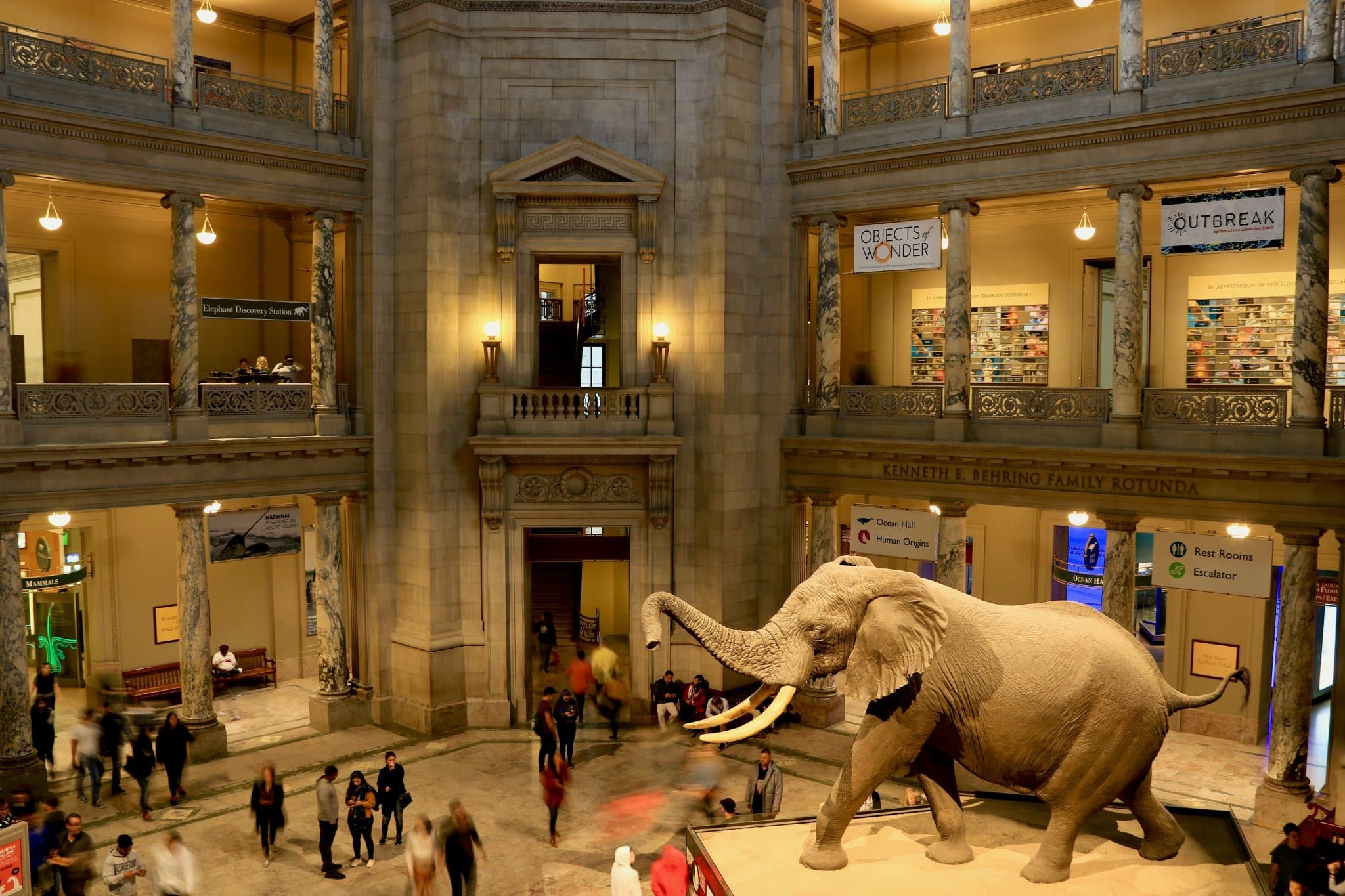
DC boasts an unparalleled density of museums, many under the Smithsonian umbrella, spanning art, history, culture, and science. Whether it’s the Air and Space Museum’s celestial wonders, the African American Museum’s poignant tales, or the Hirshhorn’s modern art marvels, there’s a world of knowledge at every corner.
In the heart of Capitol Hill, the historic Eastern Market pulses with life. Beyond its selection of fresh produce, meats, and dairy products, one can find handcrafted arts, antique furniture, and unique trinkets. On weekends, local artisans set up booths, making it the perfect spot to discover something new.
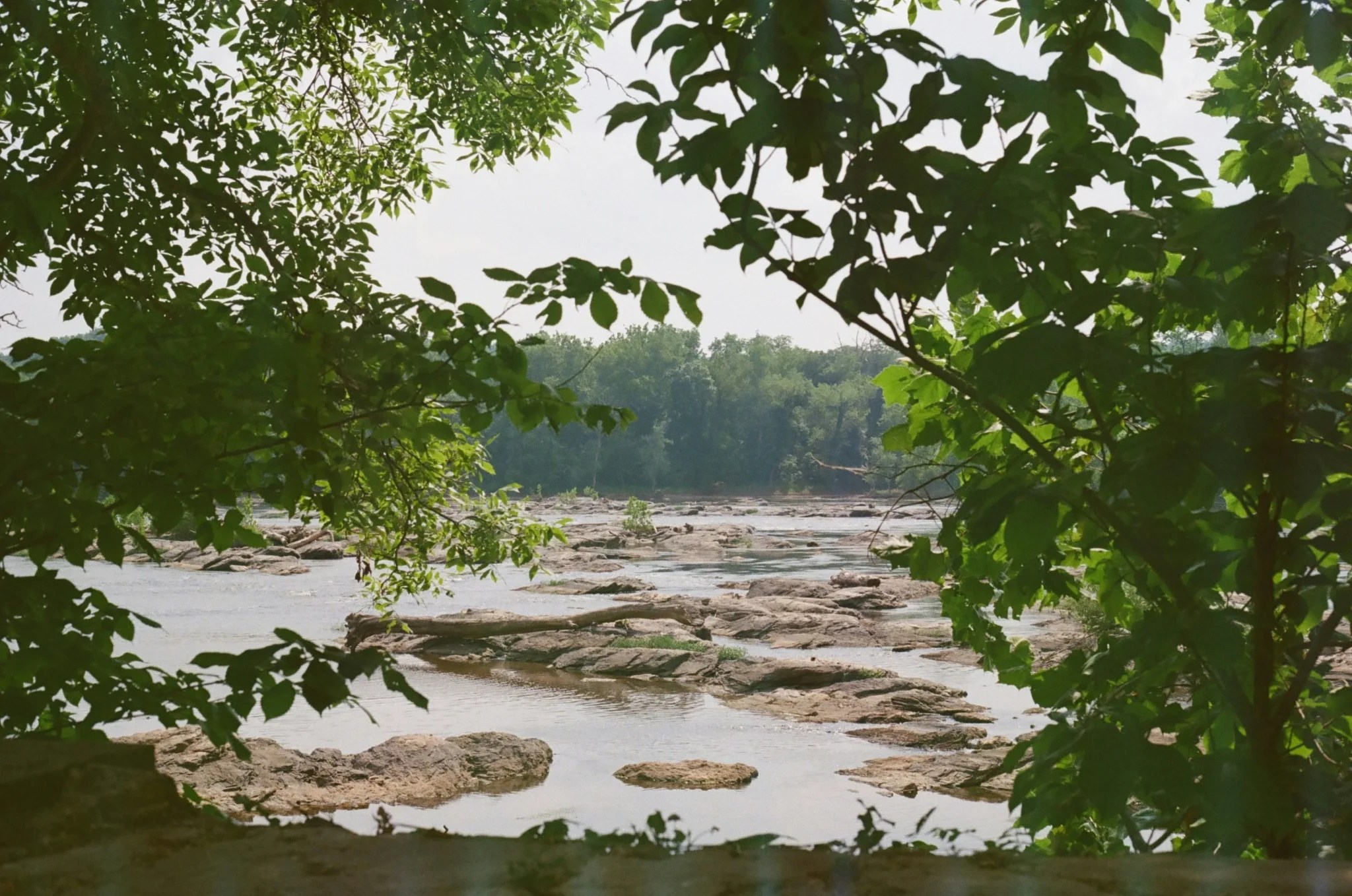
Nestled beside the shimmering Potomac River, the historic Georgetown waterfront offers cobblestone streets, chic boutiques, and enticing restaurants. The past and present merge beautifully here, and whether you’re indulging in artisanal eats or taking a tranquil riverside stroll, Georgetown’s charm is undeniable.
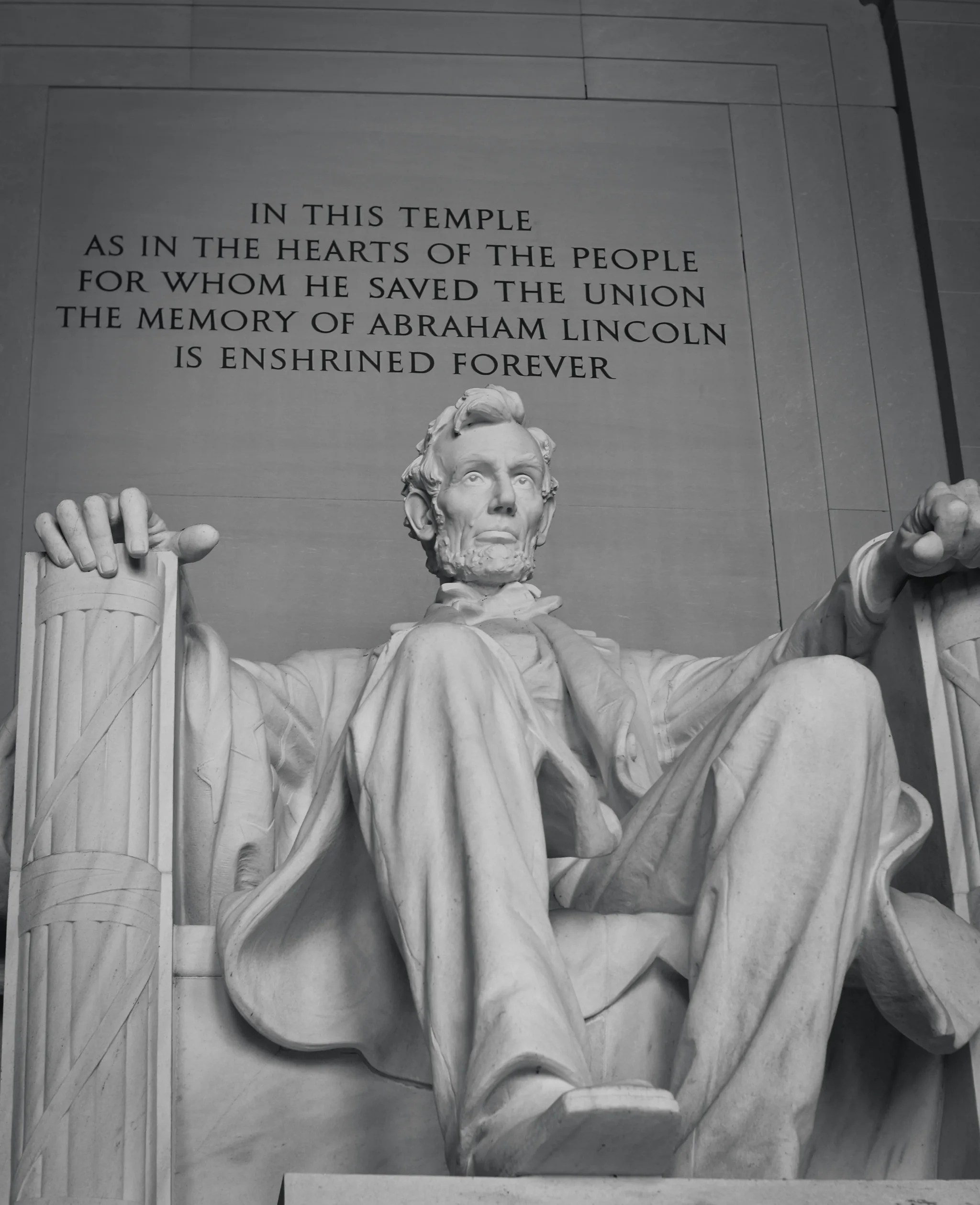
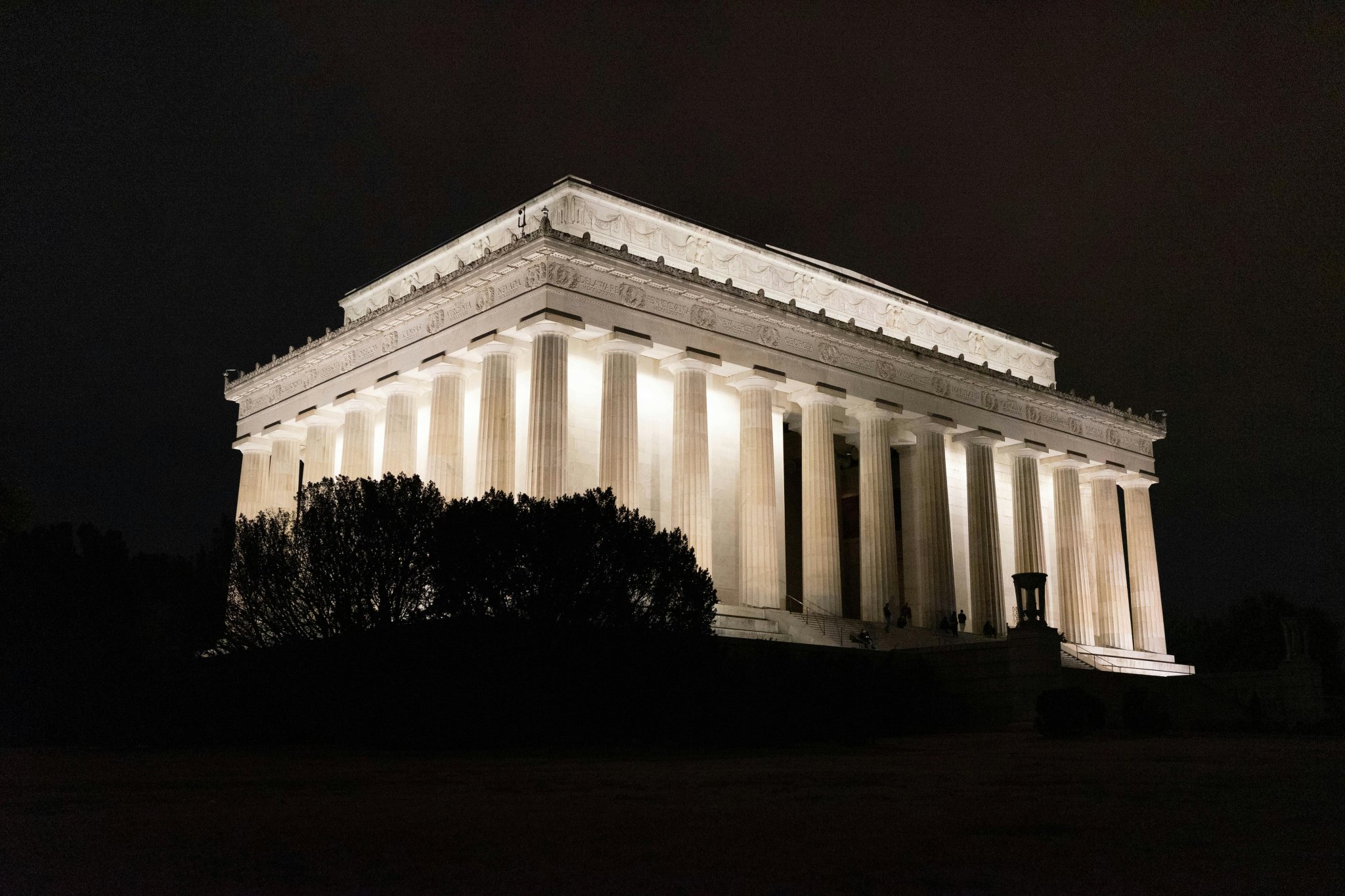
While the National Mall’s monuments and memorials are a sight to see during the day, there’s a surreal beauty to witnessing them bathed in moonlight. The Lincoln Memorial, in particular, feels almost ethereal against the backdrop of a quiet, starlit night.
The Best Things to Do in Washington DC
🌊 Paddle on the Potomac
Escape the city’s hustle and float along the gentle waves of the Potomac River. Kayak rentals are aplenty, and there’s no sight quite like the DC skyline from the vantage point of the water.
🍸 Discover Hidden Speakeasies
Behind seemingly ordinary doors lie some of the city’s best-kept secrets. DC’s speakeasy scene is thriving, offering intimate settings, craft cocktails, and a dash of intrigue. Look for unmarked doors and basement bars around neighborhoods like U Street and Dupont Circle, and check current listings before you go, since small bars open and close often.
🏞️ Stroll through Meridian Hill Park
Also known as Malcolm X Park, this historic site is a testament to both nature’s beauty and human artistry. With cascading fountains, historic statues, and drum circles on Sundays, it’s a sanctuary of culture and serenity.
🖼️ Immerse in the International Spy Museum
Shed the role of a tourist and step into the shoes of a spy. This interactive museum provides a deep dive into the world of espionage, complete with gadgets, tales of undercover missions, and the chance to participate in a spy simulation.
Getting to Washington DC and Getting Around
Three airports serve Washington DC, and each connects to the city differently.
- Reagan National (DCA): Closest to downtown, with a Metrorail station on the Blue and Yellow Lines at the airport. Central stations are usually 10 to 20 minutes away.
- Washington Dulles (IAD): About 26 miles out. The Silver Line serves the airport, and the ride from downtown takes about an hour.
- Baltimore/Washington (BWI): About 32 miles out. A free shuttle runs to the rail station, and Amtrak or MARC trains reach Union Station in about 30 to 35 minutes. A taxi or rideshare takes about 45 minutes.
Metrorail is the simplest way to cover longer distances. Pay with a SmarTrip card, either physical or in your phone’s wallet, and tap at the faregates when you enter and exit. Metro also accepts a contactless credit or debit card.
DC is easy to explore without a car. The National Mall runs about two miles from the Lincoln Memorial to the Capitol, so walk within neighborhoods and ride Metro between them.
When to Go
Spring and fall are the most comfortable seasons for walking the city. Summers are hot and humid, winters are cold, and early fall is a good shoulder-season pick.
Cherry blossom peak bloom at the Tidal Basin usually falls between late March and early April, according to the National Park Service, but it shifts with the weather. Capital Pride takes place every June, so book early if you’re planning around it.
Where to Stay
Much of the LGBTQ+ scene is spread across a few neighborhoods. Compare options in each with Skiplagged Hotels.
- Dupont Circle: DC’s long-time LGBTQ+ neighborhood, with its own Red Line station and plenty of restaurants nearby.
- Logan Circle: Residential and walkable to Dupont Circle and U Street, but with no Metro station of its own.
- U Street: A historic dining and entertainment corridor with its own Metro station.
- Capitol Hill: A quieter rowhouse neighborhood near Eastern Market and its Metro station.
Pride and LGBTQ+ History in Washington DC
Capital Pride is the city’s annual LGBTQ+ celebration, produced by the nonprofit Capital Pride Alliance. It grew out of a neighborhood block party near Dupont Circle in the 1970s and now includes a parade, a festival, and concerts, parties and brunches. Routes and venues change, so check the organizers’ site for the current schedule.
Outside Pride season, the volunteer-run Rainbow History Project offers guided and self-guided walking tours of Dupont Circle, U Street and Capitol Hill.
What to Eat and Drink
DC’s signature dish is the half-smoke, a spicy pork-and-beef sausage topped with chili, mustard and onions. Ben’s Chili Bowl on U Street, open since 1958, is the classic place to try one. The city’s large Ethiopian community also makes injera and stew easy to find around U Street and Adams Morgan.
For grazing, Union Market District near NoMa is a food hall area built around a historic wholesale market. For cocktails, start with the speakeasies listed above.
Ways to Save in Washington DC
- Smithsonian museums are free to enter. A few popular ones, such as the National Air and Space Museum, have required free timed-entry passes, so check the museum’s website first.
- Most National Mall memorials charge no entrance fee and can be visited at any hour.
- Skip the rental car. Metro covers most visitor routes, and parking is limited around busy spots.
Flying to Washington DC for Less
DCA is closest to downtown, but a federal perimeter rule generally limits its nonstop flights to 1,250 miles, with some exceptions, so longer routes often use IAD. Compare all three airports, and try flexible dates, including midweek departures.
Dulles and Reagan National are both major airline hubs, for United and American respectively, so connecting itineraries through DC are common. Skiplagged searches hidden-city fares on routes like these.
Hidden-city ticketing is not illegal, but most airlines prohibit it in their contract of carriage. If you try it, read our hidden-city guide first, book one-way only, travel carry-on only (checked bags go to the final destination), and know the airline can cancel the rest of your itinerary or act on your loyalty account.
Quick Answers
When is the best time to visit? Spring and fall have the most comfortable weather. Cherry blossom season and June’s Capital Pride are the most popular event windows.
How many days do I need? Three days covers the National Mall, a few museums and an evening in Dupont Circle or Logan Circle. Two days works if you stick to the highlights.
How do I get from the airport to the city? Take Metrorail from Reagan National (Blue or Yellow Line) or Dulles (Silver Line). From BWI, take the free shuttle to the rail station, then Amtrak or MARC to Union Station.
Can I get around without a car? Yes. Metro, buses and walking cover most visitor routes.
Plan your trip: Visiting over a long weekend? See how to get the most out of your days off, and find cheap flights to get there for less.


